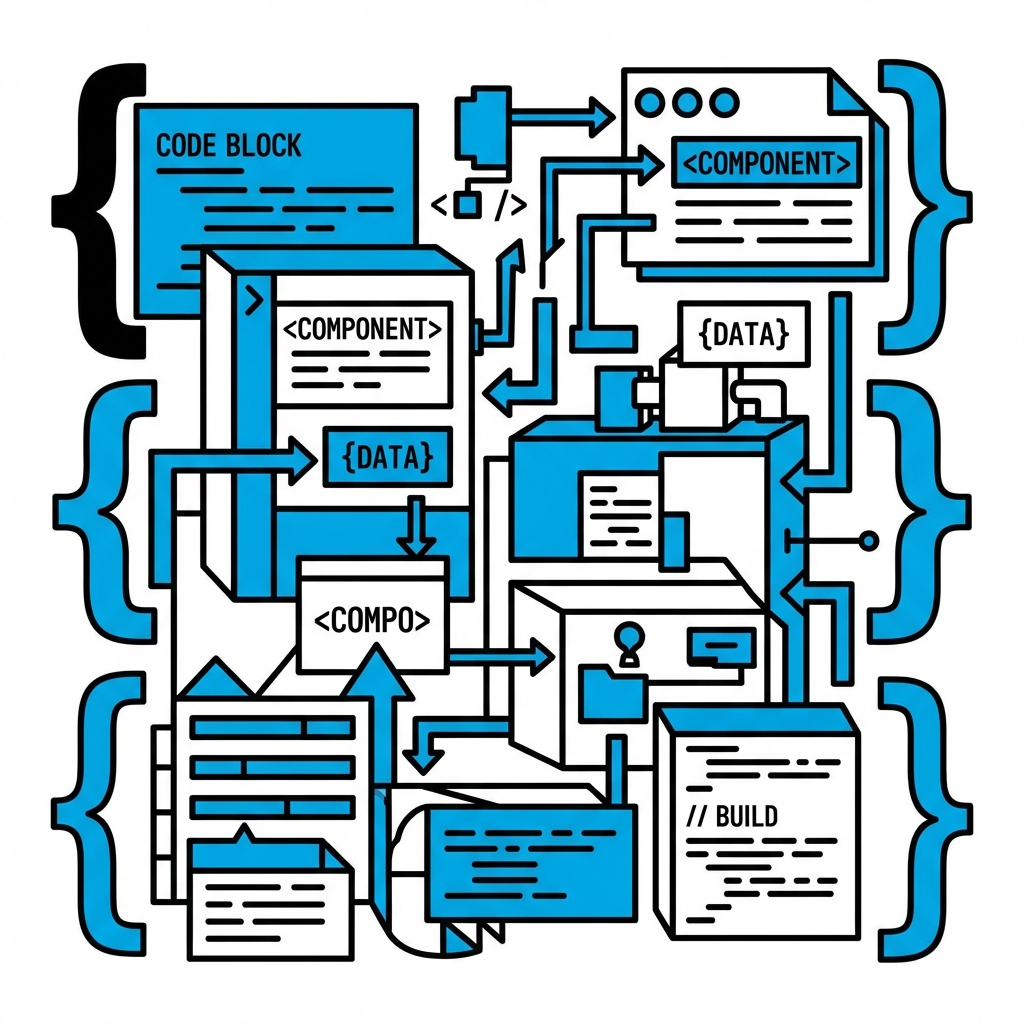
React Server Components are reshaping how we build the web. But are they the silver bullet we have been waiting for, or just another layer of complexity?
The Component Revolution
For the last decade, Single Page Applications (SPAs) have dominated the landscape. We pushed everything to the client—routing, data fetching, rendering. It felt powerful. It felt interactive. But it came at a cost: bundle sizes exploded, and “Loading…” spinners became the new normal.
Enter React Server Components (RSC). This isn’t just a minor version bump; it’s a paradigm shift. By moving the component logic back to the server, we can ship zero JavaScript for static content while keeping the rich interactivity where it matters.
Why It Matters for Developers
- Zero Bundle Size: Server components don’t add to your JS bundle. Period.
- Direct Database Access: No more bridging content via API endpoints for simple reads.
- Automatic Splitting: Code splitting is now inherent to the architecture.
The Performance Impact
We ran benchmarks comparing a traditional specialized Next.js app against the new App Router with RSCs. The results were startling. First Contentful Paint (FCP) dropped by 40%. Time to Interactive (TTI) saw similar gains.
“The web is swinging back to the server, but this time, it’s bringing the component model with it.”
Code Example
// Server Component
async function ProductDetails({ id }) {
const product = await db.product.findUnique(id);
return (
{product.name}
Moving Forward
Adopting this new model requires unlearning some habits. `useEffect` is no longer the default for data fetching. State management libraries need to rethink their role. But the destination—a faster, more streamlined web—is worth the journey.
Software development is cyclical. We went from server-rendered PHP to client-heavy SPAs, and now we are finding the middle ground. It is efficient, it is brutal, and it is effective.
Stay tuned as we dive deeper into advanced patterns in our next series.